
Understanding Spain’s Castle Restoration Law
What are the key provisions of Law 16/1985 regarding the reform of national castles and historical monuments in Spain?
Law 16/1985 in Spain mainly regulates national castles and historical monuments’ reforms by ensuring preservation of historical and cultural heritage. It mandates proper restoration and maintenance of these sites, setting guidelines for sustainable development and protection of Spain’s rich historical legacy.
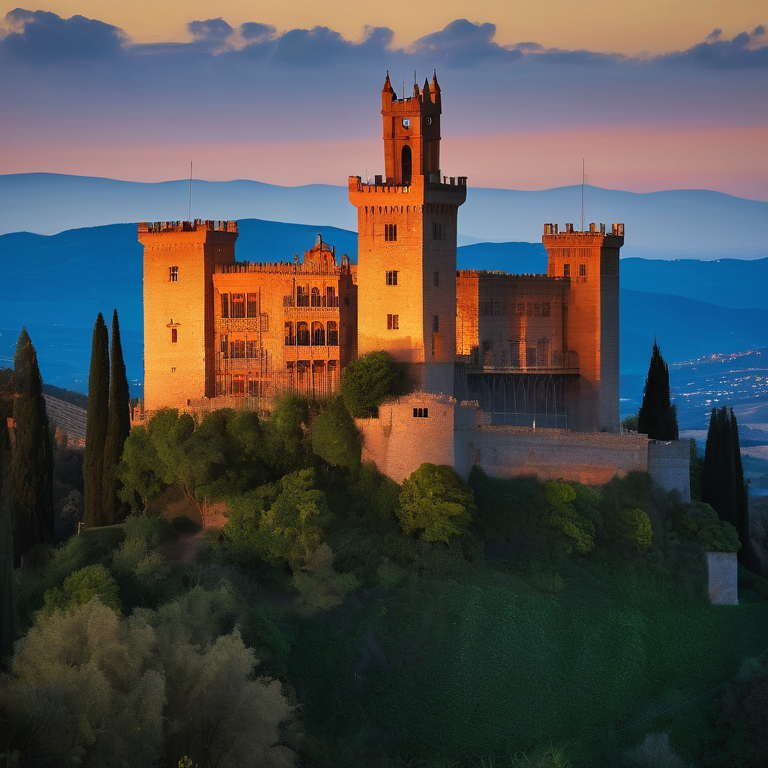
Key Highlights
- Spain’s Castle Restoration Law, also known as Law 16/1985, is a crucial legislation that aims to preserve the cultural heritage of the country.
- The law has played a significant role in the restoration and preservation of Spanish castles, which are not only historical monuments but also major tourist attractions.
- It provides a legal framework for the restoration process, outlining the requirements and permissions necessary for carrying out restoration projects.
- The law also offers financial and technical support to individuals and organizations involved in castle restoration projects.
- The Alhambra in Granada is one of the most successful examples of castle restoration in Spain, showcasing the effectiveness of Law 16/1985.
- However, castle restoration in Spain also faces challenges, such as balancing modernity with historic integrity and addressing environmental concerns.
Introduction
Spain is a country known for its rich cultural heritage, and one of the key aspects of this heritage is its magnificent castles. These castles not only represent the country’s history but also serve as major tourist attractions. However, the preservation and restoration of these castles is of utmost importance to ensure that future generations can continue to appreciate their beauty and historical significance.
To safeguard these cultural treasures, Spain introduced Law 16/1985, also known as the Castle Restoration Law. This law provides a legal framework for the restoration and preservation of Spanish castles, ensuring that they are maintained in their original form and historical integrity. It outlines the requirements and permissions necessary for carrying out restoration projects, as well as providing financial and technical support to individuals and organizations involved in castle restoration.
In this blog, we will delve deeper into the Castle Restoration Law in Spain, exploring its importance in preserving the country’s cultural heritage. We will also discuss the key provisions and objectives of the law, its impact on restoration projects, and the challenges faced in castle restoration. Additionally, we will examine successful case studies of castle restoration in Spain, highlighting the Alhambra as a model of architectural conservation. Finally, we will address frequently asked questions about castle restoration in Spain.
The Importance of Castle Restoration in Spain
Castle restoration in Spain holds great importance not only for preserving the cultural heritage of the country but also for promoting tourism and economic development. Spanish castles are not just historical monuments, but they also serve as important cultural symbols that represent the country’s rich history and traditions. These castles attract thousands of visitors every year, contributing significantly to the tourism industry.
The restoration of Spanish castles ensures that they are maintained in their original form, allowing future generations to appreciate their architectural beauty and historical significance. It also helps in preserving the stories and traditions associated with these castles, providing a glimpse into Spain’s past.
Furthermore, castle restoration plays a crucial role in boosting local economies, particularly in rural areas where many castles are located. Restoration projects create employment opportunities for local communities and stimulate tourism, leading to increased revenue for businesses such as hotels, restaurants, and souvenir shops.
By preserving and restoring Spanish castles, the country can continue to showcase its unique cultural heritage to the world. It also fosters a sense of pride among the Spanish people, reinforcing their connection to their history and traditions. Overall, castle restoration in Spain is a vital endeavor that ensures the preservation of the country’s cultural heritage while promoting tourism and economic growth.
Preserving Cultural Heritage through Law 16/1985
Law 16/1985, also known as the Castle Restoration Law, plays a crucial role in preserving Spain’s cultural heritage. Here are some key points highlighting the importance of this law:
- The law provides a legal framework for the restoration and preservation of Spanish castles, ensuring that they are maintained in their original form and historical integrity.
- It outlines the requirements and permissions necessary for carrying out restoration projects, ensuring that they are conducted in a responsible and appropriate manner.
- Law 16/1985 offers financial and technical support to individuals and organizations involved in castle restoration projects, making restoration efforts more accessible and feasible.
- The law encourages the involvement of local communities in the restoration process, fostering a sense of ownership and responsibility for the preservation of cultural heritage.
- Through the implementation of this law, Spain can protect its cultural heritage for future generations to appreciate and enjoy.
The Role of Castles in Spanish History and Tourism
Castles have played a significant role in the history of Spain and continue to be an integral part of its cultural identity. They serve as a testament to the country’s rich and diverse history, showcasing architectural styles and influences from different periods. Here are some key points highlighting the role of castles in Spanish history and tourism:
- Castles in Spain were built for various purposes throughout history, including defense, residence for royalty and nobility, and symbols of power and wealth.
- Many Spanish castles have witnessed important historical events, such as battles, royal weddings, and political negotiations.
- These castles attract a large number of tourists from around the world, contributing to the growth of the tourism industry in Spain.
- Tourists visit Spanish castles to explore their historical and architectural significance, learn about the country’s past, and immerse themselves in the rich cultural heritage of Spain.
- The presence of well-preserved castles in different regions of Spain offers visitors the opportunity to discover the diverse landscapes, traditions, and unique regional identities of the country.
Overview of Law 16/1985 on Spanish Historical Heritage
Law 16/1985, also known as the Castle Restoration Law, is a significant legislation in Spain that aims to preserve its historical heritage. The law provides a legal framework for the restoration and preservation of Spanish castles, ensuring that they are maintained in their original form and historical integrity. It outlines the requirements and permissions necessary for carrying out restoration projects, and it offers financial and technical support to individuals and organizations involved in castle restoration efforts. Law 16/1985 plays a crucial role in safeguarding Spain’s cultural heritage and promoting tourism in the country.
Key Provisions and Objectives
Law 16/1985 on Spanish Historical Heritage encompasses several key provisions and objectives that are crucial for the restoration and preservation of Spanish castles. Here are some key points highlighting the provisions and objectives of this law:
- The law aims to protect and preserve the cultural heritage of Spain, including historical monuments such as castles.
- It establishes the legal framework for the restoration and preservation of Spanish castles, ensuring that they are maintained in their original form and historical integrity.
- The law outlines the requirements and permissions necessary for carrying out restoration projects, ensuring that they are conducted in a responsible and appropriate manner.
- It provides financial and technical support to individuals and organizations involved in castle restoration projects, making restoration efforts more accessible and feasible.
- The law encourages the involvement of local communities in the restoration process, fostering a sense of ownership and responsibility for the preservation of cultural heritage.
Impact on Restoration Projects
Law 16/1985 on Spanish Historical Heritage has had a significant impact on restoration projects in the country. Here are some key points highlighting the impact of this law:
- The law provides a legal framework for restoration projects, ensuring that they are carried out in compliance with regulations and guidelines.
- It sets standards and guidelines for the restoration process, ensuring that the original form and historical integrity of Spanish castles are preserved.
- Law 16/1985 offers financial and technical support to individuals and organizations involved in restoration projects, making restoration efforts more feasible and accessible.
- The law encourages collaboration between various stakeholders, including government agencies, local communities, and heritage professionals, fostering a collective effort in the restoration and preservation of Spanish castles.
- Restoration projects carried out under the provisions of Law 16/1985 contribute to the enhancement of Spain’s cultural heritage, attracting tourists and promoting the country’s historical and architectural treasures.
Text Table:
|
Column Name A |
Column Name B |
|
Legal framework |
Law 16/1985 on Spanish Historical Heritage |
|
Restoration guidelines |
Preserving original form and historical integrity |
|
Financial support |
Funding for restoration projects |
|
Technical assistance |
Expert guidance and resources for restoration |
|
Collaboration |
Involvement of government agencies, local communities, and professionals |
Navigating the Legal Framework for Castle Restoration
Navigating the legal framework for castle restoration in Spain can be a complex process that requires a thorough understanding of the regulations and requirements set forth by Law 16/1985. This law outlines the permissions and guidelines for carrying out restoration projects, ensuring that they adhere to the preservation of Spain’s cultural heritage. It is essential for individuals and organizations involved in castle restoration to familiarize themselves with the legal framework and work in collaboration with relevant authorities to ensure the successful restoration and preservation of Spanish castles.
Requirements and Permissions for Restoration
Restoring a castle in Spain requires meeting certain requirements and obtaining the necessary permissions as outlined by Law 16/1985 on Spanish Historical Heritage. Here are some key points highlighting the requirements and permissions for castle restoration:
- Prior to starting a restoration project, individuals or organizations must submit a detailed proposal outlining the scope of work, restoration methods, and expected outcomes.
- The proposal must be reviewed and approved by the relevant authorities, such as the Council of the Alhambra and the Generalife or the Albayzín Municipal Foundation, depending on the location of the castle.
- Restoration projects must adhere to the guidelines and regulations set forth by Law 16/1985, ensuring that the original form and historical integrity of the castle are preserved.
- It is essential to collaborate with heritage professionals, such as architects, conservationists, and historians, who have expertise in castle restoration and are familiar with the legal requirements.
- Regular communication and consultation with the relevant authorities throughout the restoration process are necessary to address any concerns or issues that may arise.
Financial and Technical Support for Projects
Law 16/1985 on Spanish Historical Heritage offers financial and technical support to individuals and organizations involved in castle restoration projects. Here are some key points highlighting the financial and technical support available:
- Financial support may be provided in the form of grants, subsidies, or loans to help cover the costs associated with restoration projects.
- Funding is typically allocated based on the merits of the project, including its historical significance, impact on the local community, and potential for tourism development.
- Technical support may include access to specialized knowledge and expertise in castle restoration, as well as resources and materials necessary for the restoration process.
- Heritage professionals and organizations may offer guidance and assistance in developing restoration plans, conducting research, and implementing best practices in restoration techniques.
- The availability and extent of financial and technical support may vary depending on the specific project and its alignment with the objectives and priorities of the relevant authorities.
Case Studies: Successful Castle Restorations in Spain
Spain has many successful examples of castle restorations, showcasing the effectiveness of Law 16/1985 on Spanish Historical Heritage. Here are two notable case studies:
Alhambra: A Model of Architectural Conservation
The Alhambra in Granada is one of the most successful examples of castle restoration in Spain. This UNESCO World Heritage site represents the pinnacle of Moorish art and architecture, with its intricate carvings, stunning tilework, and beautiful gardens. The restoration efforts at the Alhambra have preserved its original form and historical integrity, dating back to the 20th century, allowing visitors to experience the magnificence of this medieval fortress and palace complex.
The restoration of the Alhambra involved a multidisciplinary approach, with experts in architecture, conservation, and historical research working together to ensure the authenticity of the restoration. The use of traditional construction techniques and materials, combined with modern conservation methods, has helped to bring the Alhambra back to its former glory. The successful restoration of the Alhambra serves as a model for the conservation of other historical sites in Spain and around the world.
Challenges in Castle Restoration
While castle restoration in Spain has achieved significant success, it also faces certain challenges. These challenges include balancing modernity with historic integrity and addressing environmental concerns. Balancing the preservation of historical features with the need for modern amenities can be a delicate task. Additionally, castle restoration projects must also consider the impact on the environment, ensuring that restoration efforts are sustainable and environmentally friendly.
Balancing Modernity with Historic Integrity
Preserving the historic integrity of a castle while incorporating modern amenities can be a challenging task. It is important to strike a balance between maintaining the authenticity and historical significance of the castle and meeting the needs of modern visitors. This can involve careful planning and consultation with heritage professionals to ensure that restoration efforts respect the original design and architecture of the castle. Incorporating modern technologies and infrastructure, such as lighting and accessibility features, must be done in a way that is sensitive to the historic fabric of the castle. By finding this balance, castle restoration projects can create a harmonious blend of past and present, allowing visitors to appreciate the castle’s history while enjoying the conveniences of the modern world.
Addressing Environmental Concerns
Castle restoration projects must also consider the environmental impact of their activities. Spain is known for its diverse ecosystems and natural beauty, and it is essential to ensure that restoration efforts do not harm the environment. This includes using sustainable construction practices, such as minimizing waste and using eco-friendly materials. Restoration projects should also strive to conserve energy and water, implementing measures to reduce their carbon footprint. Additionally, it is important to consider the impact of increased tourism on the surrounding environment and take steps to mitigate any negative effects. By addressing environmental concerns, castle restoration projects can contribute to the overall sustainability of the region and ensure that future generations can continue to enjoy the natural beauty of Spain.
Conclusion
In conclusion, the restoration of Spain’s castles is not just about preserving history but also about bolstering tourism and cultural heritage. Law 16/1985 plays a pivotal role in safeguarding these iconic structures, ensuring that they stand the test of time. While challenges exist, successful restoration projects like Alhambra exemplify the harmonious blend of modernity and historical integrity. Navigating the legal framework, obtaining necessary permissions, and accessing financial support are crucial steps in the restoration process. By understanding the significance of castle restoration, we contribute to the legacy that shapes Spain’s rich historical tapestry.
Frequently Asked Questions
How do I apply for a castle restoration permit?
To apply for a castle restoration permit in Spain, you must submit a detailed proposal outlining the scope of work, restoration methods, and expected outcomes. The proposal must be reviewed and approved by the relevant authorities, such as the Council of the Alhambra and the Generalife or the Albayzín Municipal Foundation, depending on the location of the castle.
What are the common restrictions in castle restoration projects?
Castle restoration projects in Spain are subject to various common restrictions to uphold historical preservation guidelines, obtain approval from relevant authorities, and comply with environmental regulations. These restrictions play a crucial role in safeguarding the historical integrity of the castle and preserving the surrounding environment for future generations to appreciate and enjoy.
In addition to these common restrictions, castle restoration projects may also face challenges related to sourcing authentic materials for renovation, maintaining architectural authenticity while incorporating modern amenities, and adhering to strict timelines and budgets. Balancing these considerations is essential to successfully restoring a castle while respecting its historical significance and ensuring sustainability for years to come.
Furthermore, community engagement and stakeholder involvement are vital aspects of castle restoration projects in Spain. Consulting local residents, historians, and preservation experts can provide valuable insights and perspectives that contribute to the project’s overall success. By involving various stakeholders throughout the restoration process, project managers can ensure that the final outcome aligns with both heritage conservation principles and contemporary needs.
Overall, navigating the intricacies of castle restoration in Spain requires a deep appreciation for history, a commitment to sustainable practices, and a collaborative approach that integrates diverse perspectives and expertise. By overcoming these challenges and embracing best practices in preservation, restoration projects can breathe new life into ancient structures while honoring their rich cultural heritage.
Can international entities contribute to the restoration of Spanish castles?
Yes, international entities can contribute to the restoration of Spanish castles. Financial and technical support may be available through partnerships and collaborations with international organizations, heritage foundations, and funding agencies.
How to know if the castle I´m buying is part is an historical monument or not?
To assess whether a castle qualifies as a historical monument, it is advisable to refer to official heritage databases that maintain records of such properties. These databases often contain valuable information regarding the historical significance and preservation status of castles. Additionally, seeking the expertise of heritage professionals or historians can provide insights into the architectural and historical value of the castle.
Reviewing property documentation is essential to identify any listed status or restrictions related to preservation laws. Ensuring compliance with these laws and obtaining necessary permits is crucial before considering the purchase of a castle with historical significance. By conducting thorough research and due diligence, potential buyers can make informed decisions regarding the acquisition of a historical monument.
Is it a good idea to buy a property which is a historical monument?
Owning a historical monument property in Spain can offer a truly unique and enriching experience. However, it comes with a set of responsibilities and constraints that must be carefully considered. Preservation guidelines are crucial to follow, ensuring that the historical integrity of the property is maintained for future generations to appreciate. Renovation restrictions may also apply, requiring owners to seek approval for any changes to the structure.
Before purchasing a historical monument property, it is highly recommended to consult with heritage professionals who specialize in preserving such properties. Their expertise can provide valuable insights into the specific requirements and challenges associated with owning a historical monument. Additionally, gaining a comprehensive understanding of the legal framework governing historical properties in Spain is essential to avoid any potential pitfalls or legal issues down the line.
While owning a historical monument property can be a labor of love and a unique investment opportunity, it requires a deep commitment to honoring its heritage and preserving its cultural significance. By approaching the ownership of a historical property with diligence and respect for its history, owners can contribute to safeguarding Spain’s rich architectural legacy for years to come.


